020 3744 3778
Eliminate Space Constraints with Vertical Gardening
Posted on 27/09/2025
Eliminate Space Constraints with Vertical Gardening: Transform Your Living Space
Do you find yourself wanting to grow lush plants, vibrant flowers, or even fresh vegetables, but lack the garden space? Vertical gardening offers a dynamic, creative, and efficient solution to maximize your green space regardless of where you live--be it a compact urban balcony, a small backyard, or even indoors. Eliminate space constraints with vertical gardening and unlock a bounty of plant possibilities within limited square footage.

Why Choose Vertical Gardening?
Vertical gardening--a fast-growing trend in urban landscaping--enables you to grow plants upwards instead of outwards. This space-saving gardening technique is ideal for those who wish to transform small spaces into productive and beautiful green zones. By utilizing walls, fences, trellises, and other vertical structures, you can cultivate a variety of plants and make your living space greener, healthier, and more aesthetically pleasing.
Advantages of Vertical Gardening
- Space Optimization: Grow more plants in less area by making use of vertical structures.
- Improved Accessibility: Tending to plants at eye-level reduces the need for bending or kneeling, making gardening more ergonomic.
- Enhanced Air Quality: Increase oxygen and filter indoor air pollutants with vertically grown indoor plants.
- Moderates Temperatures: Green walls can act as natural insulation, helping to keep your home cooler in summer and warmer in winter.
- Pest and Disease Control: Growing plants off the ground can help reduce issues with soil-borne pests and diseases.
- Visual Appeal: Turn bland fences or walls into living art with vibrant, textural plantings.
Understanding Vertical Gardening: What Is It?
Vertical gardening is a method where plants are grown on upright or vertical surfaces, instead of traditional horizontal gardens. This could involve anything from hanging pots, wall planters, hydroponic panels, to trellises and living walls. If you aim to eliminate space restrictions in your garden or home, this technique's flexibility allows you to design a garden in virtually any space--rooftops, patios, hallways, or balconies.
Common Types of Vertical Gardens
- Green Walls (Living Walls): Self-supporting vertical panels, often with automated irrigation systems, perfect for indoor and outdoor installations.
- Container Gardens: Pots or planter boxes stacked or hung on walls, fences, or racks.
- Trellises and Arbors: Support structures for climbing plants like beans, peas, and flowering vines.
- Pallet Planters: Repurposed wooden pallets fitted with landscape fabric and soil, ideal for small-scale planting.
- Modular Systems: Pre-made panels or pockets that can be mounted on walls and easily customized.
How Vertical Gardening Frees Up Space: The Science Behind It
Traditional gardening requires significant ground space--an unattainable luxury for many urban dwellers. In contrast, vertical gardens convert underutilized vertical surfaces into productive planting sites, effectively eliminating space constraints with vertical gardening.
Here's how:
- Vertical stacking: Planting upwards means multiple layers or tiers can be cultivated in the same footprint, multiplying the productive area.
- Wall integration: Bare walls or fences are given purpose, serving as the backbone of your garden.
- Functional flexibility: Indoor partitions, kitchen walls, or even the sides of furniture can be transformed into green displays with creative vertical garden systems.
Planning Your Vertical Garden: Essential Considerations
To maximize the benefits of vertical gardening and successfully eliminate space challenges, careful planning is crucial. Here's what you need to consider:
1. Light and Location
- Sun-loving vs. shade plants: Choose plants suited to the amount of available sunlight.
- Indoor or outdoor use: Select plant varieties that will thrive in your chosen environment--houseplants for indoors, ornamentals, or edibles for outdoor spaces.
2. Structure and Stability
- Weight support: Ensure walls or supports can handle the combined weight of soil, plants, and water, especially for living walls.
- Material selection: Use rot-resistant structures like recycled plastic, treated wood, or metal for outdoor projects.
3. Irrigation and Drainage
- Watering systems: Drip irrigation or self-watering systems are ideal for vertical gardens, reducing the need for frequent manual watering.
- Drainage solutions: Proper drainage prevents waterlogging, which can rot roots and damage structures.
4. Plant Selection
- Root depth: Opt for shallow-rooted species which adapt well to vertical planters.
- Growth habit: Climbing vines, trailing plants, and compact edibles are ideal choices.
- Maintenance: Choose low-maintenance plants if you seek minimal upkeep.
Top Plant Choices for Space-Saving Vertical Gardens
When it comes to eliminating garden space constraints with vertical structures, plant choice is vital. Here are expert-picked options categorized for different types of vertical gardens:
Ornamental Plants
- Ferns: Perfect for shady walls--delicate textures and low light requirements.
- Orchids: Add elegance to both indoor and shaded outdoor gardens.
- Succulents: Require minimal water and thrive on vertical panels.
- Spider plants and pothos: Ideal for indoor vertical gardens with their trailing habit and air-purifying properties.
Edible Plants
- Herbs: Basil, mint, parsley, chives, and thyme flourish in small containers and vertical wall planters.
- Leafy greens: Lettuce, spinach, and arugula grow quickly and their shallow roots suit restricted soil depth.
- Strawberries: Compact plants bearing sweet fruit, great for pocket planters and hanging systems.
- Climbing vegetables: Peas, beans, cucumbers, and tomatoes flourish when trained on trellises.
Flowering Vines
- Clematis and morning glory: Bright blooms and rapid climbing perfect for trellises and arbors.
- Sweet peas: Add fragrance and color to your vertical displays.
Creative Ideas for Eliminating Space Constraints with Vertical Gardening
DIY Vertical Herb Wall for Small Kitchens
- Attach shelves or recycled wooden pallets to your kitchen wall.
- Arrange small herb planters on each shelf.
- Enjoy fresh spices and save precious counter space!
Outdoor Privacy Screen with Climbing Plants
- Use a sturdy trellis or wire mesh as a partition on balconies or patios.
- Grow fast-growing vines like ivy or morning glory for lush privacy.
- This method helps eliminate urban space limits while providing shade and seclusion.
Living Art Walls Indoors
- Install modular living wall systems in your living room or office.
- Combine colorful foliage and flowers to create a dynamic piece of living art.
- These displays improve air quality and make a stunning visual statement.
Upcycled Shoe Organizer Planter
- Repurpose an old hanging shoe organizer by filling each pocket with potting mix and small plants.
- Hang it on a door or garden fence for a quirky, affordable vertical planting solution.
Pallet Garden for Patios
- Line a pallet with landscape fabric, fill with soil, and tuck plants in between slats.
- Lean vertically against a fence or wall--perfect for herbs, lettuces, and annual flowers.
- Eliminate patio space limitations by growing vertically instead of using valuable floor area.
Essential Maintenance Tips for Thriving Vertical Gardens
Building a vertical garden is only the first step; maintaining it properly ensures long-term health, vibrancy, and productivity. Here's how to keep your space-saving vertical garden in peak condition:
- Water regularly: Vertical gardens dry out faster than traditional beds--install drip irrigation or check moisture multiple times per week.
- Fertilize appropriately: Use liquid fertilizers every few weeks, especially for edible plants and flowering species.
- Prune and train vines: Keep plants looking tidy and healthy; direct growth to avoid overcrowding.
- Monitor for pests: Check leaf surfaces and soil for signs of insects or disease. Remove affected plants quickly to prevent spread.
- Rotate plants: Swap in new varieties for seasonality, color changes, or to refresh tired plantings.
Addressing Common Challenges in Vertical Gardening
Dealing with Watering Issues
One of the most frequent challenges in vertical gardening is uneven watering. Installing a drip irrigation system, self-watering planters, or watering from the top down can help maintain consistent moisture. Always ensure your structure provides adequate drainage.
Managing Plant Health
Plants in vertical setups may be more susceptible to wind, sunburn, or temperature swings. Choose hardy, adaptable species, and consider protective coverings or placement in sheltered locations if necessary.
Structural Stability
Make sure your vertical setup is securely anchored, especially when using heavy pots or wet soil. Regularly inspect structures for damage or signs of weakness.
Success Stories: Real-life Examples of Vertical Gardening
The rise of vertical gardening in urban areas has brought inspirational transformations across the world. Whether it's a small apartment balcony in New York covered with fragrant herbs, a high-rise Singaporean building's entire facade blooming with greenery, or a modest backyard in London tastily lined with strawberries--vertical gardens are eliminating space limits and improving quality of life for countless gardeners and city dwellers.
- Urban food security: Rooftop vertical farms are now supplying fresh greens to city restaurants year-round.
- School projects: Educational institutions are installing living green walls to teach sustainability, scientific inquiry, and nutrition to students.
- Corporate wellness: Businesses are integrating vertical gardens into office designs, enhancing wellbeing, productivity, and job satisfaction.
Getting Started: Step-by-Step Guide to Create Your Vertical Garden
- Determine your available space: Measure your wall, fence, or other structure.
- Select a vertical gardening system: Choose between DIY options (pallets, shelves), ready-made panel kits, or modular setups.
- Pick suitable plants: Refer to our plant selection guide for the best fit based on light and environment.
- Prepare your materials: Gather planters, potting mix, mounting hardware, and drip irrigation setup if desired.
- Install your system: Securely fasten containers or panels to your chosen structure.
- Plant and water: Fill containers with soil, plant your selections, and give a thorough initial watering.
- Monitor and maintain: Water regularly, prune as needed, and enjoy your flourishing, space-efficient vertical garden!
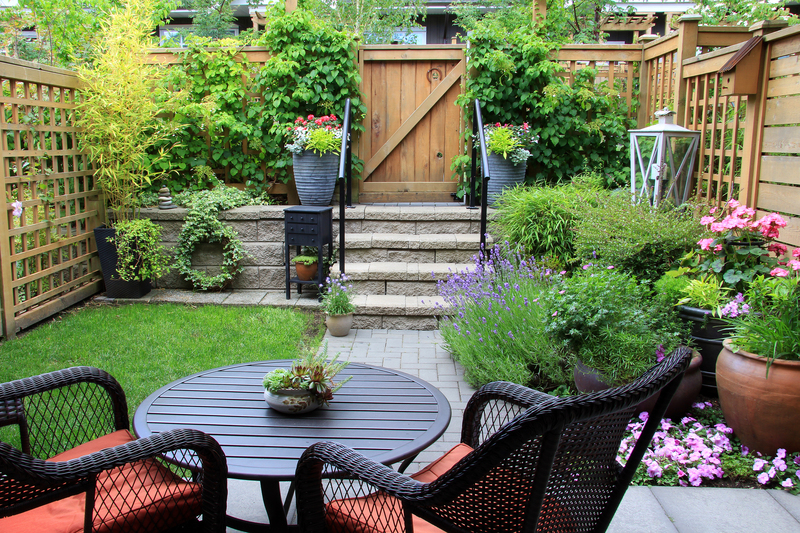
Conclusion: Say Goodbye to Space Constraints with Vertical Gardening
Whether you wish to transform a tiny city balcony, add flavor to your kitchen, or cultivate edible crops in an unconventional setting, vertical gardening enables you to eliminate space constraints and enjoy the rich rewards of nature. This innovative technique not only enhances the beauty and functionality of any environment but also contributes to personal wellbeing and environmental health.
Start your own vertical garden today--reinvent your space, grow more with less, and turn your green dreams into reality!
Frequently Asked Questions (FAQ) About Space-Saving Vertical Gardens
- Can I use vertical gardening indoors?
Absolutely! Many indoor plants thrive in vertical gardens, and these systems are excellent solutions for apartments or homes with minimal floor space. - What is the best vertical garden for beginners?
Start with container gardens, wall-mounted pocket planters, or pallet planters. These options require basic DIY skills and are highly customizable. - How do I water a vertical garden?
Drip irrigation, self-watering planters, or careful manual watering from the top are effective solutions. Always ensure drainage holes are present to prevent root rot. - What are the maintenance requirements?
Regular watering, fertilizing, occasional pruning, and monitoring for pests or disease will keep your vertical garden healthy and thriving.
Eliminate space constraints with vertical gardening and experience the joy of growing upwards!
Latest Posts
Elegant Garden Designs That Won't Burn a Hole in Your Pocket
Eliminate Space Constraints with Vertical Gardening
Plant and Plan: Curate Inviting Seating Areas in Your Garden