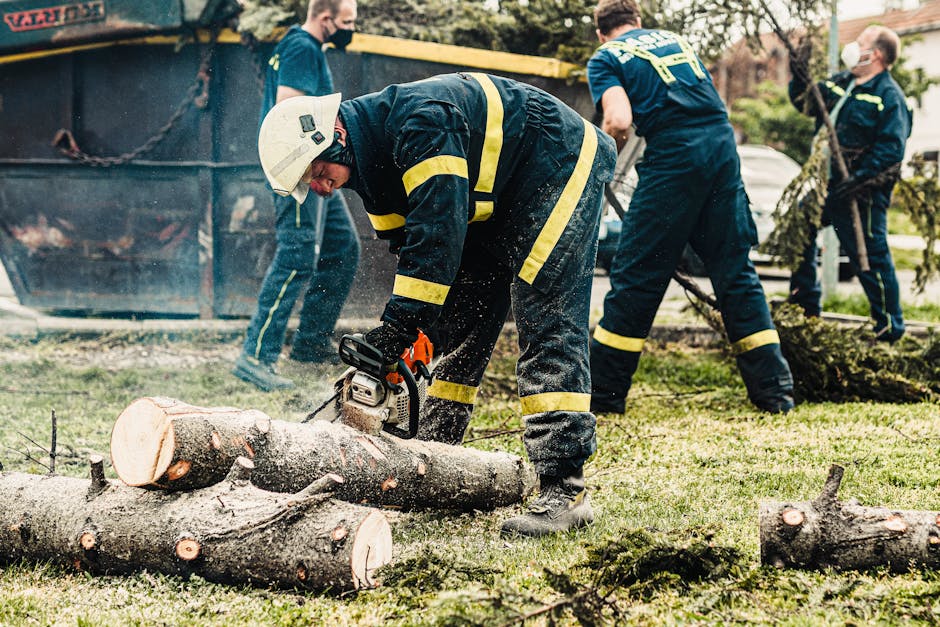
Emergency tree removal Cranham same day gardeners availability
If a tree has split in high wind, started leaning across a drive, or dropped heavy limbs where people walk, you do not want a long wait and a vague promise. You want clear answers, fast action, and someone who understands the risk. That is exactly where Emergency tree removal Cranham same day gardeners availability becomes more than a search phrase - it becomes a practical way to protect people, property, and the rest of the garden before a small problem turns into a messy one.
In Cranham, emergency callouts often happen after bad weather, waterlogged ground, or a sudden failure in an already stressed tree. This guide explains how same-day support usually works, what to expect on arrival, when removal is the right move, and how to avoid common mistakes that can make things worse. You will also find a checklist, a comparison table, and a few sensible pointers for choosing the right help when time is tight.
Why Emergency tree removal Cranham same day gardeners availability Matters
When a tree becomes unstable, time is not just money - it is safety. A cracked limb hanging over a patio, a root plate lifting after a storm, or a trunk that has shifted overnight can all escalate quickly. One gust, one more downpour, one person walking underneath at the wrong moment. That is the uncomfortable part.
Same-day availability matters because emergencies rarely happen at a convenient hour. In the UK, windy afternoons can turn into a damaged fence, blocked access, or a branch resting on a shed by early evening. If the tree is threatening a house, a driveway, a side passage, or a neighbour's boundary, waiting until "sometime next week" may simply not be sensible.
There is also the practical side. A fast response often means less secondary damage. A tree that is partially failed but still upright can be stabilised or sectioned in a controlled way before it falls further. That can reduce the amount of repair work needed afterwards. To be fair, not every urgent call ends in a full removal - but you want someone available who can judge that properly, not guess.
For a broader overview of how emergency work sits within a wider garden-care approach, it can help to look at related services such as tree surgery support and insurance and safety guidance. If you are planning longer-term garden recovery after the immediate risk is dealt with, garden maintenance can also be part of the follow-up.
How Emergency tree removal Cranham same day gardeners availability Works
Same-day emergency tree removal usually begins with a quick assessment by phone or message, followed by a site visit if the situation sounds urgent. The point is not to overcomplicate it. A competent team will try to establish three things quickly: what is damaged, what is at risk, and whether the tree can be made safe without removing it entirely.
The process often follows a simple pattern:
- Initial description: you explain what happened, where the tree is, and whether there are obvious hazards such as power lines, blocked exits, or crushed structures.
- Rapid triage: the team decides if it is a true emergency, a priority callout, or a job that can wait for daylight and better conditions.
- On-site inspection: the arborist or gardener checks lean, splits, root movement, hanging limbs, access, and safe working space.
- Risk control: the area is made safer, usually by keeping people away, clearing loose debris, and planning the work zone.
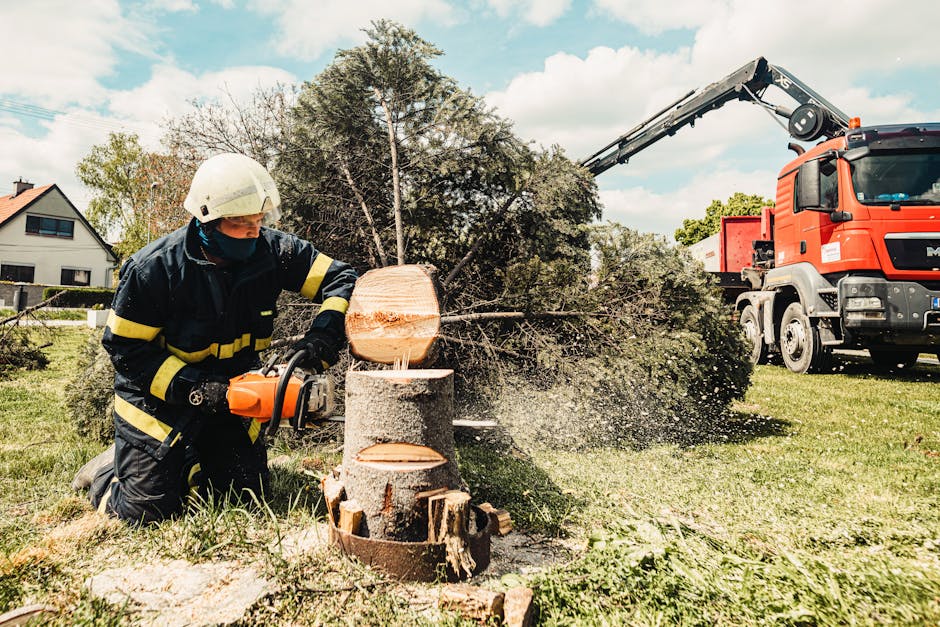
- Removal or sectional dismantling: the tree may be taken down in stages if space is tight, which is common in Cranham gardens with sheds, fences, conservatories, or narrow access.
- Clear-up and disposal: brash, timber, and dangerous material are removed or stacked safely for later collection.
Sometimes the tree is not removed on the first visit. That can sound disappointing, but it is not always bad news. If the safest option is to make the site secure first and return with the right equipment, that is usually the more professional call. A rushed cut on a compromised tree can be a bad day waiting to happen. Nobody needs that drama.
For residents dealing with storm-related garden damage, the advice in planning ahead to secure your garden from severe weather is worth keeping in mind. And if the tree failure is linked to poor boundary support or damaged fencing, fencing services may be a useful follow-on.
Key Benefits and Practical Advantages
The obvious benefit is speed, but that is only part of the story. Same-day tree removal brings a few practical advantages that are easy to overlook when everyone is stressed and staring at a half-fallen trunk.
- Reduced danger to people and pets: an unstable tree near a play area, path, or dog run is one of those things that should not sit and wait.
- Less structural damage: fast intervention can prevent a cracked limb from dragging down gutters, sheds, or fence panels.
- Cleaner decision-making: the urgency forces a proper assessment now, rather than a guess later.
- Better site control: emergency work is often easier to manage before a tree collapses completely into awkward pieces.
- Peace of mind: even a partial make-safe can make the whole property feel calmer again.
There is also a softer benefit: the rest of the garden can be protected. A failed tree can crush borders, shade out nearby planting, or dump debris across beds and paving. If you care about the wider layout, a fast response helps preserve what is left. That matters if you have spent years building a tidy space, or even just keeping the place presentable on weekends.
If the emergency exposes other issues, such as overgrown hedging, wind-damaged screening, or invasive climbing growth, you may want to look at hedge trimming in Cranham or read sophisticated hedge trimming schemes for ideas on preventing overcrowded boundaries from becoming part of the problem.
Who This Is For and When It Makes Sense
This service is for anyone facing an immediate tree-related hazard. That can mean a homeowner, a landlord, a tenant reporting a dangerous garden tree, or a business with outdoor access that must stay open. It also makes sense for properties with older trees, trees that have been storm-stressed, or trees growing close to structures and access routes.
Typical scenarios include:
- a tree leaning suddenly after heavy rain
- large limbs split but still partly attached
- roots lifting and soil heaving around the base
- a tree blocking a driveway or side gate
- branches hitting windows, roofs, or greenhouses
- storm debris creating a trip hazard in a shared garden
It is not only for dramatic collapses. Sometimes a tree looks "mostly fine" from the kitchen window, but a closer inspection reveals a serious crack, fungus at the base, or a hollowing stem. In our experience, those are the jobs people regret leaving until tomorrow.
If you are unsure whether the problem is a tree issue or part of a wider garden-health problem, general gardening services can be a sensible first conversation, especially when the site needs clearing before deeper work can happen. And if the damaged area has become cluttered with organic debris, transforming organic waste into a soil powerhouse is a useful read for what can and cannot be composted later on.
Step-by-Step Guidance
If you find yourself dealing with an urgent tree problem, a calm sequence helps. Panic is natural. It just is. But a bit of order saves time.
- Keep people out of the danger zone. Do not stand under a damaged limb or let children and pets wander near it.
- Check for immediate hazards. Look for contact with electricity, damage to fencing, blocked exits, or falling debris. If power lines are involved, stop and treat it as serious.
- Take a few photos from a safe distance. This helps explain the issue clearly and may be useful for later records.
- Describe the location precisely. Mention access gates, tight passages, sheds, driveways, or anything that limits equipment access.
- Ask whether same-day attendance is realistic. Good services will be honest if weather, traffic, or safety conditions affect timing.
- Prepare the area if it is safe to do so. Move cars, garden furniture, bikes, or plant pots from the approach route. Don't go near the tree itself if it is unstable.
- Clarify disposal and clean-up. Ask what happens to timber, branches, and sawdust, and whether stump treatment or follow-up work is included.
- Plan the next step. After the emergency, think about replanting, pruning nearby trees, or repairing borders and paving.
A small but useful tip: if the tree is next to a wall, fence, or decked area, say so early. It changes the working method. A lot. You do not want surprises once the crew is on site and the clock is already ticking.
For properties with decked sections or pathways affected by fallen timber, decking services and patio cleaning may become relevant after the removal is complete.
Expert Tips for Better Results
Emergency work goes more smoothly when the homeowner gives the right information and avoids unnecessary delay. A few practical habits make a real difference.
- Share photos before the visit. A close-up of the split, plus a wider shot showing the full tree and surroundings, saves time.
- Be precise about access. Narrow gates, locked side passages, steps, and low archways can change what equipment can be used.
- Keep the work area clear. The fewer obstacles around the tree, the faster and safer the response.
- Ask about partial removal versus full removal. Sometimes a temporary make-safe is enough until conditions improve.
- Check for neighbouring trees. If one tree has failed, nearby trees may also be stressed or leaning.
A good emergency response is not just about cutting. It is about judgement. The best teams often spend as much time deciding how not to damage the rest of the garden as they do removing the tree. That may sound obvious, but in the middle of a wet afternoon with branches everywhere, obvious things can vanish quickly.
For windy, exposed gardens, the guidance in optimizing garden health in windy areas can help you think beyond the immediate crisis and reduce repeat problems.
Expert summary: if a tree is visibly compromised, the safest answer is rarely "wait and see" without advice. Get a proper assessment first, then act with the least risky method available. Fast is good. Safe is better.
Common Mistakes to Avoid
When people are stressed, they often try to solve tree problems in the most immediate way possible. Sometimes that works out. Often it doesn't.
- Trying to cut it yourself: a damaged tree can move unpredictably under tension. That is not the place for guesswork.
- Standing too close for a better look: one loose limb can fall in seconds.
- Ignoring a partial failure: a tree does not need to be fully down to be dangerous.
- Booking only based on price: the cheapest option is not always the safest in an emergency.
- Forgetting access and disposal: if a crew cannot get equipment in or remove debris out, timing slips fast.
- Assuming all gardeners do emergency tree work: not every general gardening team is set up for urgent tree removal.
Another common misstep is treating the tree as the whole issue. Fallen or leaning trees often reveal underlying garden problems: soggy soil, poor staking, root disturbance, or overgrown competing plants. If ivy is involved, it can also hide defects until the damage is already obvious. The article on ivy eradication and long-lasting solutions is useful background if that sounds familiar.
Let's face it, nobody wants to hear "there's more going on here." But sometimes there is.
Tools, Resources and Recommendations
Emergency tree removal relies on the right tools, but also on the right planning. For the homeowner, the most helpful "tool" is probably a clear phone camera and a little bit of restraint. For the crew, the job may require climbing gear, rigging systems, lowering lines, chainsaws, pole tools, and protective equipment.
From a practical point of view, it helps to have:
- a charged phone for communication
- photos of the tree from a safe distance
- basic notes about the time the damage occurred
- details about access gates, parking, or shared driveways
- information on any nearby hazards such as sheds, cable runs, or glass structures
If you want to prepare for future jobs rather than just the current emergency, key gardening tools for outdoor hobbyists is a handy starting point. For post-job recovery, revamping forgotten garden spaces can help you think about making the area useful again once the danger is gone.
Useful related service pages include garden maintenance, landscaping, lawn care, and lawn mowing if the incident leaves the rest of the outdoor space looking a little battered. Which it often does, truth be told.
Law, Compliance, Standards, or Best Practice
Emergency tree work in the UK is not just a matter of getting a saw out and getting on with it. Safety practices, property boundaries, and waste handling all matter. Where trees are protected or there are ownership questions, it is wise to pause and get proper advice before any major removal. In an emergency, the priority is usually to make the site safe first and then clarify the rest.
Good practice generally includes:
- working to protect people first, before property or aesthetics
- using appropriate personal protective equipment
- keeping a safe exclusion zone around unstable timber
- checking for hidden hazards such as decay, cavities, or root failure
- disposing of waste responsibly and keeping the site tidy
If the work touches a boundary, shared access point, or damage that could affect neighbours, communication matters. So does clear documentation. A few photos and a written note of what was done can be useful later. It is not glamorous. But it helps.
For general business trust and process transparency, you may also want to review terms and conditions, payment and security, and health and safety policy. If you ever need to raise a concern after service, complaints procedure is the sort of page people are glad exists, even if they hope never to use it.
There is also a wider trust picture. About us, privacy policy, cookie policy, accessibility statement, and modern slavery statement all contribute to a more transparent service experience.
Options, Methods, or Comparison Table
Not every urgent tree problem needs the same response. Some need full removal, some need sectional dismantling, and some just need a make-safe visit so the site is no longer actively dangerous.
| Approach | Best for | Pros | Limitations |
|---|---|---|---|
| Full emergency removal | Severely unstable trees, major storm damage, immediate collapse risk | Fast resolution, removes the source of danger | May require more access, more time, and more disposal work |
| Sectional dismantling | Trees near buildings, fences, greenhouses, or tight access routes | Controlled, safer around structures | Slower than a straightforward fell, but usually worth it |
| Make-safe only | Jobs where conditions are unsafe for full removal on the day | Reduces immediate risk quickly | Requires follow-up visit for complete removal or repair |
| Pruning or reduction | Branches that are dangerous but the whole tree remains stable | Less disruptive, can preserve the tree | Not suitable for trees with major structural failure |
In a lot of Cranham gardens, the real decision is between sectional dismantling and make-safe work. Limited access, neighbouring fences, and awkward layouts can make a full fell less practical than people expect. That is why same-day availability is useful: it gives you the option to assess properly before the site gets worse.
If the emergency is tied to boundary screening or privacy planting, fast-growing privacy hedges may help with the replacement planning once the hazard has been dealt with.
Case Study or Real-World Example
Here is a simple real-world style scenario. A homeowner in Cranham notices a mature tree leaning more than usual after a wet and windy night. By mid-morning, the root area is lifting slightly and the tree is brushing the edge of a garden shed. The family is worried about the children using the side path, and the neighbour has mentioned a loose panel in the boundary fence.
A same-day visit starts with a remote description and a few photos. On arrival, the crew confirms that the tree is not safe to leave in place. Because access is narrow, the work is done in sections rather than by trying to fell it in one go. The area is cleared, the damaged fence line is protected as much as possible, and the immediate hazard is removed before the afternoon weather turns again.
The important part is not that everything was dramatic. It was actually quite ordinary in the end - which is how emergency work should feel when it is done well. Calm, controlled, and over before the worry spreads. The homeowner then follows up with garden repairs, some clearing, and a bit of replanting where the canopy once shaded the border.
That same approach can work for many other outdoor problems too. If your garden needs a refresh after damage, create your green haven beginner tips and create a sustainable garden to mitigate climate impacts are useful reads for the rebuilding stage.
Practical Checklist
Use this quick checklist before you call for help or while you are waiting for the crew to arrive.
- Keep everyone away from the tree and falling debris.
- Do not cut, shake, or pull the damaged section yourself.
- Check for power lines, blocked exits, or broken glass nearby.
- Take safe-distance photos of the tree and surrounding area.
- Note the exact location in the garden and how access works.
- Move cars, bikes, and movable furniture if it is safe to do so.
- Ask whether the work is likely to be full removal, partial dismantling, or a make-safe visit.
- Confirm what happens to timber, branches, and debris.
- Ask about any follow-up repairs or garden clean-up.
- Keep children and pets indoors until the area is cleared.
If you want to talk through the situation or arrange a visit, the simplest next step is to use the site's contact page. It is the quickest way to explain what is happening without trying to cram a garden emergency into a short search box. We have all done that, and it never feels quite enough.
Get a free quote today and see how much you can save.
Conclusion
Emergency tree removal in Cranham is really about one thing: restoring safety without making the problem bigger. Same-day gardeners availability matters because storm damage, root instability, and falling limbs do not wait for convenient appointments. A good service will assess quickly, choose the least risky method, and leave the site safer than it was an hour earlier.
Whether the answer is full removal, sectional dismantling, or a temporary make-safe, the right approach should be practical, careful, and honest. If you need emergency tree help, stay calm, keep clear of the danger zone, and get professional support as soon as you reasonably can. It is one of those jobs where a measured response really does make all the difference.
And once the immediate mess is sorted, there is always room to rebuild the garden into something calmer, sturdier, and a bit more resilient. One step at a time.
Frequently Asked Questions
How quickly can emergency tree removal in Cranham usually happen?
Same-day attendance is often possible when the tree presents an immediate hazard, but timing depends on weather, access, workload, and how serious the situation is. If power lines or structural damage are involved, the response may need extra caution rather than instant cutting.
What counts as a true tree emergency?
A true emergency is usually a tree or branch that could fall on people, vehicles, buildings, or access routes. Sudden leaning, a split trunk, hanging limbs, or root movement after wind or heavy rain are all strong warning signs.
Do gardeners handle emergency tree removal, or do I need a tree surgeon?
It depends on the job. Some gardening teams offer urgent tree support, while more technical or high-risk removals are better handled by trained tree surgeons. If the tree is large, unstable, or close to buildings, specialist tree surgery is often the safer route.
Is same-day tree removal always a full removal?
No. Sometimes the safest first step is to make the tree safe rather than remove every part on the spot. That may mean sectional dismantling, reducing risky limbs, or securing the area before a follow-up visit.
What should I do before the team arrives?
Keep people and pets away from the area, take photos from a safe distance, and clear any movable items if it is safe to do so. Do not stand under the tree or try to cut anything yourself.
Will the crew remove all the debris too?
Usually, emergency tree work includes clearing the cut material, but always confirm this when you book. Some jobs create a lot of timber and brash, so disposal arrangements should be agreed in advance where possible.
Can a tree be made safe without being cut down completely?
Yes, sometimes. If the tree is still structurally sound enough, pruning, reduction, or temporary bracing may be enough. If the base or main stem is compromised, though, full removal may be the right call.
What if the fallen tree is near a neighbour's property?
That is a good reason to document the damage clearly and act quickly. Keep communication calm and factual. If the tree straddles a boundary or has caused damage on both sides, the situation may need careful coordination.
How much does emergency tree removal cost?
Costs vary widely based on tree size, urgency, access, disposal, and risk level. Emergency callouts can cost more than routine work because the timing is faster and the safety requirements are higher. A proper quote should explain what is included.
What if bad weather makes the work unsafe on the day?
Then the best team may delay part of the work, make the site secure, or return when conditions improve. That is not a poor service - it is usually the safer one. Heavy wind and rain can change what is possible very quickly.
Do I need permission before removing a tree in an emergency?
In urgent situations, safety tends to come first. That said, if a tree might be protected or ownership is unclear, it is sensible to raise that as soon as possible and keep notes or photos of the damage and why action was needed.
What should I ask when I enquire about same-day availability?
Ask whether the team can attend today, whether the tree appears suitable for full removal or make-safe work, what access they need, what debris removal includes, and whether there are any safety limitations. Clear questions save a lot of back-and-forth.
What happens after the emergency tree is removed?
After the immediate danger is gone, you may need fence repairs, patio or path cleaning, stump follow-up, or general garden recovery. It is a good moment to think about how to make the space more resilient next time, especially if wind or poor soil contributed to the problem.