Grounds maintenance Cranham gardeners for landlords and schools
If you manage a rental property, oversee a school site, or simply need outdoor areas kept tidy without constant hassle, grounds maintenance Cranham gardeners for landlords and schools is one of those services that quickly proves its worth. A well-kept lawn, safe pathways, trimmed hedges, and weed-free borders do more than look nice. They protect reputation, reduce complaints, and make a site feel cared for from the moment someone steps outside.
In practice, grounds maintenance is not just "garden work with a bigger name". It is a planned, repeatable approach to keeping outdoor spaces presentable, safe, and manageable throughout the year. That matters a lot in settings with regular foot traffic, changing expectations, and very little tolerance for neglect. Let's face it, a patchy lawn outside a school or an overgrown frontage at a rental block sends a message fast.
This guide explains what grounds maintenance involves, how it works, who needs it, and what a good service should include. You will also find practical advice on avoiding common mistakes, comparing maintenance methods, and deciding what level of care makes sense for your site. If you are planning improvements as part of a wider tidy-up, some readers also find our pieces on routine garden maintenance and lawn care useful starting points.
Table of Contents
- Why grounds maintenance matters
- How the service works
- Key benefits and practical advantages
- Who needs this service and when it makes sense
- Step-by-step guidance
- Expert tips for better results
- Common mistakes to avoid
- Tools, resources and recommendations
- Law, compliance, standards and best practice
- Options, methods, or comparison table
- Case study or real-world example
- Practical checklist
- Conclusion
- Frequently asked questions
Why Grounds maintenance Cranham gardeners for landlords and schools Matters
Outdoor areas are one of the first things people notice, and they are often the easiest to neglect when time is tight. For landlords, a scruffy shared garden, unstable path edge, or hedge that has grown into a nuisance can quickly become a complaint. For schools, the stakes are even higher: play areas, entrances, and perimeter planting all need to be kept tidy, predictable, and low risk.
Good grounds maintenance does three jobs at once. It improves appearance, keeps spaces usable, and reduces the small issues that snowball into larger problems. A weedbed left too long becomes a bigger job. A hedge not trimmed on time can block sightlines. A damp, mossy path can become slippery in a way nobody wants to explain after the fact.
There is also a subtle trust factor. When tenants, parents, staff, and visitors see a site that is clearly maintained, they tend to assume the rest is looked after too. That assumption matters. People notice the outside before they ever reach reception, a classroom door, or a front porch.
Well-kept grounds are not just decorative. They are part of how a landlord or school shows care, organisation, and responsibility.
In Cranham and the wider local area, weather also plays a part. Wind, rain, and seasonal growth can turn a tidy space into a messy one very quickly. If planting and screening are part of your site, articles like optimising garden health in windy areas and guarding your green haven against winter's wrath can give useful seasonal context.
How Grounds maintenance Cranham gardeners for landlords and schools Works
At its simplest, grounds maintenance is a scheduled service plan rather than a one-off tidy. A professional gardener or grounds team visits regularly to carry out the tasks that keep the site under control. The exact mix depends on the property type, but the core pattern is fairly consistent: inspect, prioritise, work, clear up, and report back if anything needs attention.
For landlords, the work might include front and rear garden maintenance, hedge trimming, grass cutting, leaf clearance, weed control, and keeping shared paths and boundary areas presentable. For schools, the focus often shifts a little more towards safety, access, and resilience. That can mean keeping sightlines open, preventing trip hazards, controlling overgrowth near gates, and making sure outdoor learning or play areas stay usable.
Some sites need a light-touch monthly visit. Others need weekly or fortnightly attention during the growing season. The right schedule depends on how fast the site grows, how many people use it, and what standard you want to maintain. A small courtyard with a few planters is not the same as a large school perimeter with multiple lawns and hedges. Obvious, perhaps, but easy to forget when budgets are being set in a rush.
Well-run grounds maintenance also includes communication. Good teams tend to note problem areas, seasonal changes, recurring issues, and anything that may need extra work later, such as hedge reduction, tree works, or more robust weed management. If a property has larger vegetation or boundary issues, it may be sensible to look at related services such as hedge trimming in Cranham or tree surgery.
Key Benefits and Practical Advantages
The strongest benefit is simple: consistency. One-off gardening jobs can make a place look better for a week or two, but regular maintenance keeps small jobs from turning into stressful ones. That is especially valuable for landlords and schools, where an overgrown site often becomes visible right at the wrong moment-before an inspection, a tenant move-in, an open day, or the first proper spell of warm weather.
- Better presentation: tidy grass, trimmed edges, and cleared paths make a site feel managed and welcoming.
- Fewer hazards: regular checks reduce trip risks, blocked routes, slippery areas, and overhanging growth.
- Lower long-term costs: stopping problems early is usually cheaper than dealing with a major reset later.
- Improved tenant or parent satisfaction: people judge the quality of a place partly by its outdoor condition.
- Better planning: regular schedules help avoid frantic last-minute calls and emergency clean-ups.
There is also a quieter, more practical benefit: mental load goes down. A property manager or site lead does not need to keep wondering whether the garden is due for another cut or whether the hedge will cause a complaint next week. It is one less thing to chase. And if you have ever managed a full term or a busy letting season, you know that matters.
For landlords specifically, tidy grounds can help support a more professional impression during viewings and inspections. For schools, the benefit is often linked to outdoor usability and safeguarding. Clear, open, well-kept exterior areas simply work better for real daily life.
Who This Is For and When It Makes Sense
This kind of service is not just for large institutions. It suits a wide range of properties, but it makes the most sense when outdoor space is shared, visible, or difficult to manage consistently in-house.
Landlords and letting agents
If you manage single lets, HMOs, apartment blocks, or small portfolios with shared outdoor areas, grounds maintenance helps keep things presentable between tenancies and throughout the year. It is especially useful where tenants are expected to handle only part of the upkeep. Not every tenant will mow, edge, and weed to the same standard. Truth be told, most won't.
Schools and educational settings
Schools need outdoor spaces that are safe, tidy, and reasonably low maintenance. That includes entrances, perimeter areas, staff access routes, and play or assembly zones. It also includes practical seasonal tasks like leaf clearance and weather-related checks. Outdoor areas are busy, so they need a routine, not occasional rescue work.
Property managers and caretakers
For people juggling multiple responsibilities, outsourced grounds work can fill the gap between what is ideal and what is realistic. It gives you a dependable schedule without taking staff away from other priorities.
When it makes sense to act sooner
- Grass is growing faster than it is being cut.
- Hedges are blocking paths, windows, or sightlines.
- Weeds keep returning in the same places.
- Leaf build-up is affecting entrances or drains.
- The site looks fine after a big tidy, then slips back within days.
If that sounds familiar, the site is probably ready for a regular maintenance plan rather than another one-off patch-up.
Step-by-Step Guidance
A good grounds maintenance plan does not begin with tools. It begins with a walk-through and a realistic picture of the site. Here is the process that tends to work best.
- Survey the whole outdoor area. Note lawns, hedges, borders, paths, fencing lines, entrances, trees, and any high-use areas.
- Separate safety work from cosmetic work. Trip hazards, blocked routes, and broken edges come first. Pretty can wait; safe cannot.
- Set maintenance frequencies. Some tasks need weekly or fortnightly attention in the growing season. Others are seasonal.
- Agree a clear scope. Be specific about mowing, edging, pruning, weed control, leaf clearance, green waste removal, and any extras.
- Schedule around use patterns. For schools, this might mean avoiding busy drop-off times. For landlords, it could mean planning around lettings, inspections, or tenant access.
- Review seasonal changes. Spring growth, summer dry spells, autumn leaves, and winter damp all change the workload.
- Keep a record of recurring issues. If one hedge always runs away with itself or one area stays wet and mossy, that needs a long-term fix, not just another tidy.
That last point is often overlooked. A site that keeps failing in the same spot usually needs an adjustment in planting, drainage, cutting frequency, or access-not just more labour.
Expert Tips for Better Results
Over the years, one thing becomes very clear: the best-maintained sites are not always the biggest budgets. They are the ones with sensible routines and a bit of joined-up thinking.
Start with the edges. Edging along lawns, paths, and beds instantly makes a site look sharper. It is a small detail, but the eye catches it straight away. If you want a strong first impression, clean lines matter more than people think.
Use planting choices that fit the setting. In school grounds, low-fuss planting is usually wiser than ornamental variety for its own sake. For shaded corners, evergreen climbers can help soften hard areas without creating a constant maintenance headache. If that is useful, see designing with evergreen climbers for shady corners.
Keep an eye on access. Gates, service routes, and side passages often get neglected until they become a nuisance. They should stay clear, especially where bins, deliveries, or emergency access are involved.
Think ahead on growth spikes. Late spring can feel like the garden has switched into overdrive. That is the moment when a regular schedule pays off. If you leave everything until it looks bad, the work becomes heavier and more expensive. Not ideal.
Don't ignore boundary problems. Ivy, self-set saplings, and overgrown hedging can quietly spread into bigger issues. If you are dealing with persistent climbers or invasive growth, you may find ivy eradication and long-lasting solutions useful background reading.
Think about the user experience. A school playground, a rental entrance, and a communal garden all need different decisions. The best maintenance is site-specific, not generic.
Common Mistakes to Avoid
One of the biggest mistakes is treating grounds maintenance as a once-in-a-while clean-up. That approach can work temporarily, but it usually creates a cycle of catch-up jobs, rushed decisions, and avoidable complaints.
- Leaving maintenance too long between visits. Growth does not pause just because the calendar is busy.
- Focusing only on lawns. Borders, hedges, paths, and edges are just as important.
- Choosing the cheapest option without checking scope. A low quote means little if half the site stays unmanaged.
- Ignoring seasonal pressures. Wind, leaf fall, wet weather, and growth spurts all change the workload.
- Overplanting high-maintenance species. Beautiful? Sure. Practical for a busy site? Sometimes not.
- Forgetting waste removal. A tidy cut is only part of the job if piles of waste are left behind.
Another very common issue is unclear responsibility. If the landlord assumes the tenant is handling everything, and the tenant assumes the landlord is handling the shared areas, the result is predictable. Something gets missed, then missed again. A simple written plan helps a lot.
And one more thing: do not overlook the small ugly bits. Moss in corners, weeds at the base of fences, or broken-off branches near entrances are exactly the things that make a site feel neglected, even when the rest looks fine.
Tools, Resources and Recommendations
A competent grounds maintenance team will usually bring a mix of hand tools and powered equipment depending on the site size and task type. The exact kit matters less than the judgement behind using it well, but it still helps to know what should be available.
| Task | Typical tools or equipment | Why it matters |
|---|---|---|
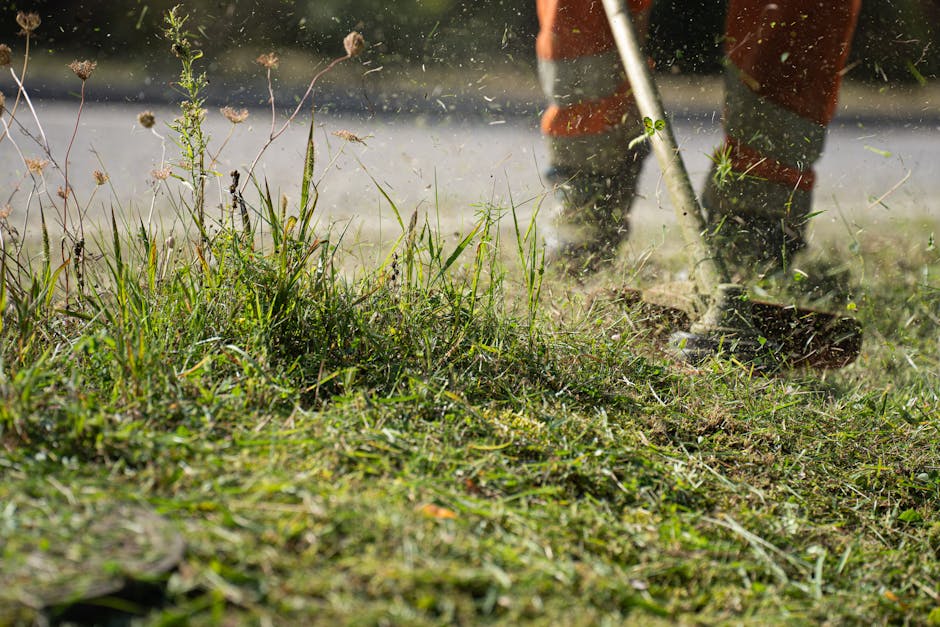
| Lawn cutting | Mowers, strimmers, edging tools | Keeps grass tidy and borders defined |
| Hedge work | Hedge trimmers, loppers, hand shears | Controls growth and maintains shape |
| Weed control | Hand tools, hoe, mulch, targeted treatment methods | Stops borders and paving from looking untidy |
| Path and patio upkeep | Brushes, washers, scrapers, clearing tools | Improves safety and appearance |
| Leaf clearance | Blowers, rakes, collecting sacks | Prevents slips and blocked drainage |
For property teams who want to understand the wider landscape of care, pages on garden maintenance, lawn mowing, and patio cleaning give a useful sense of how different tasks fit together. If your site has more structural issues, you may also need landscaping or fencing work at some point.
One practical recommendation: keep a simple site log. Even a basic note of what was done, what was noticed, and what needs follow-up can help schools and landlords make better decisions over time. Nothing fancy. Just useful.
Law, Compliance, Standards, or Best Practice
For schools and landlords, grounds maintenance is not only about appearance. It also sits close to safety, access, and duty of care. The precise legal position will depend on the property, the contract, and how the site is used, so it is wise to be careful rather than casual.
For school settings, best practice usually means ensuring external areas are maintained to reduce foreseeable hazards such as blocked walkways, unmanaged overgrowth, poor visibility, and slippery surfaces. For landlords and managing agents, the practical aim is similar: outdoor spaces should be reasonably safe, accessible, and kept in a condition that does not invite complaints or avoidable risk.
Good contractors should also work in line with their own operational policies on safety, access, and handling of waste or equipment. Where relevant, it is sensible to ask about insurance, safe working practices, and how works are scheduled around vulnerable users or busy site periods. If you want to review those details on the website, the pages on insurance and safety and health and safety policy are useful reference points.
There are also non-technical but important best practices: clear communication, written scopes of work, seasonal reviews, and a sensible process for reporting problems. The boring stuff, really. But boring stuff keeps sites running smoothly, and that is the point.
For organisations handling user data or payments alongside service arrangements, the supporting pages on privacy policy, payment and security, and terms and conditions may also be relevant to your internal checks.
Options, Methods, or Comparison Table
Not every site needs the same level of service. In some cases, a light maintenance arrangement works well; in others, a more hands-on schedule is the better choice. The table below offers a simple comparison.
| Approach | Best for | Pros | Limitations |
|---|---|---|---|
| Ad hoc tidy-up | Very small or low-use sites | Flexible, useful for urgent fixes | Can become inconsistent and reactive |
| Seasonal maintenance | Sites with predictable spring/summer growth | Good for budget control | May miss fast-growing or heavily used areas |
| Regular scheduled maintenance | Landlords, schools, communal spaces | Stable appearance, fewer surprises | Requires planning and ongoing commitment |
| Full grounds management | Larger or more complex sites | Best overall control and consistency | Usually needs a broader budget and clearer scope |
In most landlord and school settings, regular scheduled maintenance is the sweet spot. It gives you enough consistency to keep problems under control without making the whole arrangement feel over-engineered. If the site has a lot of hedging or boundaries, combining the routine visits with periodic hedge trimming is often the most practical route.
Case Study or Real-World Example
Here is a typical example from the sort of job that comes up all the time. A small letting property with a front lawn, side access, and a rear garden was looking fine in early spring, then slipped badly by the start of term-time lettings. The lawn had gone soft and patchy, weeds had pushed through the borders, and the hedge along the side path was starting to narrow the walkway.
The issue was not dramatic. That is the point. It was a collection of small things that made the property feel less cared for than it should. The landlord did not need a redesign. They needed a routine. After a proper reset, the plan became simple: regular mowing, edging, weed control, hedge maintenance, and seasonal leaf clearance. Nothing flashy. Just reliable.
A school setting can be similar, though the pressures differ. One of the most useful outcomes in those environments is predictability. Staff know the outdoor area will be ready for the day, the entrance will not be blocked by messy growth, and the site presents well for parents and visitors. That kind of calm makes a difference, especially in a busy morning.
What these examples have in common is this: once a site is brought back under control, keeping it that way is far easier than repeating major catch-up work every few months. The steady approach nearly always wins.
Practical Checklist
Use this checklist when reviewing a grounds maintenance arrangement for a landlord property or school site.
- Have all outdoor areas been walked and assessed in person?
- Are high-risk spots, such as slippery paths or blocked routes, identified first?
- Is the maintenance scope written down clearly?
- Do you know how often mowing, trimming, and clearance will happen?
- Are hedges, trees, and borders included, or treated as extras?
- Is waste removal included in the service plan?
- Have seasonal tasks been considered?
- Is there a plan for recurring problems like weeds, moss, or fast regrowth?
- Have access times been agreed around tenant or school use?
- Do you know who to contact if something needs urgent attention?
If you can answer most of those with confidence, you are usually in decent shape. If not, the plan probably needs tightening up before the next growing season gets away from you.
Conclusion
For landlords and schools, grounds maintenance is really about control, safety, and presentation. A well-kept site feels easier to manage, easier to trust, and easier to use. The work itself may be familiar-mowing, trimming, weeding, clearing-but the value comes from doing it consistently and in the right order.
The best results usually come from a plan that matches the site, the season, and the people using the space. That is true whether you are keeping a rental garden presentable between tenancies or making sure a school's outdoor areas stay safe and welcoming through the year. A little structure goes a long way. Honestly, a very long way.
Get a free quote today and see how much you can save.
If you are ready to simplify outdoor upkeep and stop firefighting the same issues month after month, the next step is straightforward: choose a maintenance approach that fits the real needs of the site, not just the ideal version of it. That is where calm, reliable grounds care begins.
Frequently Asked Questions
What does grounds maintenance usually include for landlords and schools?
It usually includes lawn cutting, hedge trimming, weed control, border tidying, leaf clearance, path and access maintenance, and general seasonal upkeep. Some sites also need extra work such as shrub pruning or minor landscaping support.
How often should grounds maintenance be carried out?
That depends on growth, usage, and the size of the site. In many cases, lawns and high-visibility areas need regular visits during the growing season, while certain seasonal tasks only need occasional attention.
Is grounds maintenance different from regular garden maintenance?
Yes, usually. Garden maintenance tends to focus on domestic-style outdoor spaces, while grounds maintenance is broader and often more structured. It is commonly used for shared, commercial, or institutional spaces where presentation and safety are a bigger concern.
Why is grounds maintenance important for schools?
Schools need outdoor spaces that are safe, tidy, and easy to supervise. Regular maintenance helps reduce trip hazards, keeps entrances clear, supports safeguarding, and makes the site feel more welcoming for pupils, staff, and visitors.
Why do landlords benefit from regular grounds maintenance?
Landlords benefit because tidy outdoor areas improve first impressions, reduce complaints, and help prevent minor issues from becoming expensive jobs. It also supports a more professional standard across the property.
Can grounds maintenance be tailored to a small property?
Absolutely. A small property may only need a light schedule with targeted visits for mowing, hedge work, and seasonal clearance. The key is making the service match the actual site, not overcomplicate it.
What are the most commonly missed jobs in grounds maintenance?
Edges, borders, access routes, and leaf clearance are often missed or left too long. These details may seem minor, but they strongly affect the overall condition of a site.
How do I know if I need a one-off tidy or a regular maintenance plan?
If the site only needs a reset once or twice a year, a one-off tidy may work. If the same problems keep returning-fast grass growth, recurring weeds, hedge overgrowth, or messy entrances-a regular maintenance plan is usually the better choice.
What should I ask before booking a grounds maintenance service?
Ask what is included, how often visits will happen, whether waste removal is covered, how seasonal changes are handled, and what happens if something urgent comes up between scheduled visits.
Are hedges and trees usually part of the service?
They can be, but not always as standard. Hedge trimming may be included depending on the arrangement, while larger tree work may need separate planning or additional services.
Does grounds maintenance help with compliance and safety?
Yes, in practical terms it does. Keeping access routes clear, reducing trip hazards, and managing overgrowth all support safer site conditions. Exact compliance needs vary, so it is sensible to review the site's own responsibilities and risk factors carefully.
How can I keep costs sensible without letting the site slip?
The best way is usually to set a realistic schedule and focus on the highest-impact tasks first. Regular maintenance is often cheaper over time than repeated rescue jobs, especially if the same issues keep coming back.
For a final step, if you want to explore a more structured approach to outdoor upkeep, you can review the wider service information on gardening services and about us before making a decision. A steady, well-kept site is never wasted effort. It quietly pays you back every day.