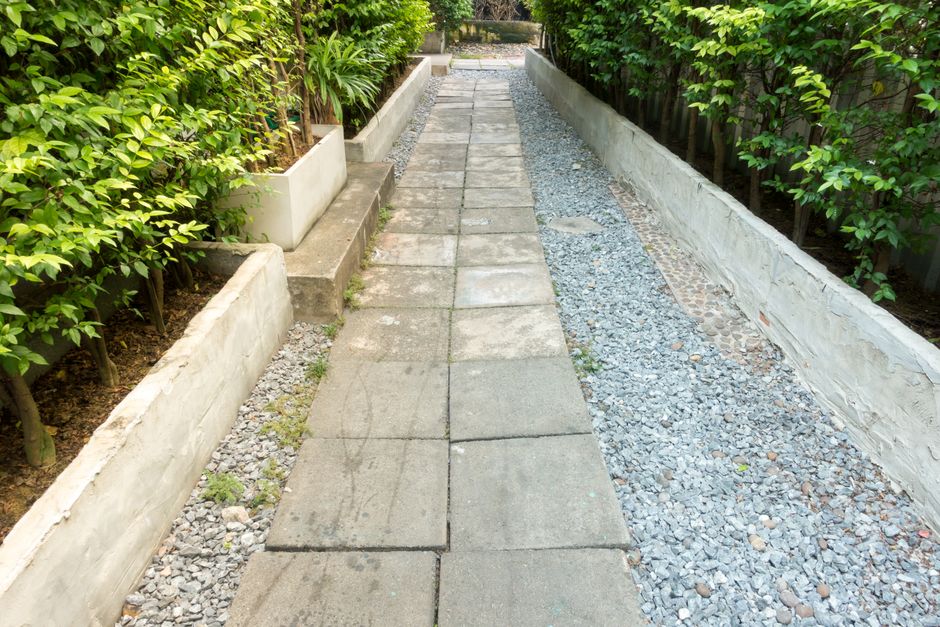
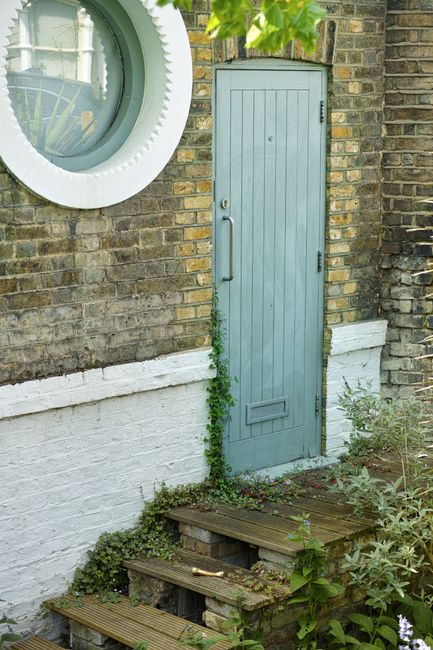
Narrow access gardens Cranham solutions from expert gardeners
If your garden feels more like a passage than a plot, you are not alone. Narrow access gardens in Cranham can be awkward to maintain, tricky to redesign, and honestly a bit tiring to live with if the layout keeps fighting back. The good news is that the right narrow access gardens Cranham solutions from expert gardeners can turn a difficult space into something manageable, attractive, and much easier to enjoy.
In practical terms, this is about working smart with limited side access, tight entrances, awkward turns, and those little bottlenecks that make even a simple job feel like a wrestling match. With the right planning, specialist tools, and a calm step-by-step approach, a narrow garden does not have to stay frustrating. This guide explains what works, what to avoid, and how experienced gardeners approach the job without making a mess of your path, lawn, fence line, or patience.
Along the way, we will cover access planning, useful methods, common mistakes, and the kinds of services that often help most, from ongoing garden maintenance to practical landscaping work and even garden clearance when a space has become too overgrown to tackle neatly by hand.
Table of Contents
- Why Narrow Access Gardens Cranham Solutions from Expert Gardeners Matters
- How Narrow Access Gardens Cranham Solutions from Expert Gardeners Works
- Key Benefits and Practical Advantages
- Who This Is For and When It Makes Sense
- Step-by-Step Guidance
- Expert Tips for Better Results
- Common Mistakes to Avoid
- Tools, Resources and Recommendations
- Law, Compliance, Standards, or Best Practice
- Options, Methods, or Comparison Table
- Case Study or Real-World Example
- Practical Checklist
- Conclusion
- Frequently Asked Questions
Why Narrow Access Gardens Cranham Solutions from Expert Gardeners Matters
Narrow access changes everything. A garden with a generous side gate, broad path, and open layout can be cut, cleared, repaired, or reshaped quickly. A cramped Cranham garden, by contrast, often needs materials carried through the house, tools selected for compact movement, and work staged carefully so nothing gets damaged on the way in or out. That is not a small detail. It affects the whole job.
Why does this matter so much? Because bad access can lead to avoidable problems: crushed borders, broken slabs, scratched paintwork, wasted time, and jobs that feel bigger and more expensive than they need to be. It can also make people delay maintenance. And once a garden is left alone too long, the space gets denser, wetter, heavier, and more difficult to move through. Bit of a snowball effect, really.
Expert gardeners look at the space differently. They do not just see a narrow gap or a tight alley. They see the route, the turning circle, the storage place for waste, the safest place to stage equipment, and the best order of operations. That thinking reduces disruption and usually makes the end result cleaner. In many cases, it also helps you protect the areas that matter most, like fencing, paving, decking edges, and the lawn.
This is especially important in local gardens where boundaries are close, access is shared, or neighbours are only a few steps away. A calm, tidy approach keeps the work controlled. No one wants a long, noisy afternoon of dragging cuttings through a tight gateway if it can be avoided.
How Narrow Access Gardens Cranham Solutions from Expert Gardeners Works
The process usually starts with a proper look at the layout. A good gardener will want to know how wide the access is, where the bottlenecks sit, what the surface is like, and whether there are slopes, steps, low branches, or delicate features that need protection. The space can often be improved without major reconstruction, but the plan has to fit the reality of the garden, not the other way round.
From there, the work is broken into small, manageable stages. That might mean clearing the route first, then cutting back overgrowth, then dealing with waste as it is produced rather than leaving piles building up. In a narrow access setting, waste management matters more than people expect. One overloaded barrow, and the whole flow slows down. You notice it straight away.
Depending on the job, experts may use compact hand tools, smaller cutting equipment, lightweight clearance methods, or sectional work to avoid bringing in oversized machinery that cannot safely move through the space. For larger projects, they may also recommend access-friendly landscaping changes, such as reworking a bed edge, creating a more practical path line, or improving a boundary area so future maintenance becomes less awkward.
It is also normal to consider related tasks together. For example, if a garden is overgrown and difficult to reach, hedge trimming may open up the route, while patio cleaning can restore usable surface space once debris is removed. If trees are the issue, specialist help such as tree surgery or tree lopping and removal may be needed, especially where branches are narrowing access or blocking light.
Key Benefits and Practical Advantages
The biggest benefit is simple: the garden becomes easier to manage. That sounds obvious, but in a narrow access property it can change how you use the space week to week. A garden that once felt like a chore can become something you can keep on top of without dreading every visit to the shed.
- Less disruption: careful planning reduces damage to paths, gates, doors, and indoor routes.
- Better access to the whole garden: clearing choke points makes future work much easier.
- Safer work process: fewer awkward lifts and fewer tight manoeuvres mean fewer accidents.
- Cleaner results: waste is removed in a controlled way, rather than building up in piles.
- More usable space: once clutter, overgrowth, or poor layout is dealt with, the garden feels larger.
- Lower maintenance burden: a sensible redesign or tidy-up reduces how hard routine care becomes.
There is also a quieter benefit that people often mention after the work is done: peace of mind. If you know the access has been handled carefully, you are less anxious about future maintenance. That is worth a lot, to be fair. Especially when every job used to feel like a mini obstacle course.
Another advantage is that expert gardeners can often spot opportunities you may have stopped noticing. A path that is too narrow, a bed that creates a pinch point, or a fence line that could be simplified. Small changes. Big difference.
Who This Is For and When It Makes Sense
This kind of work makes sense for a wide range of homeowners and landlords, but it is especially useful if your garden has limited side access, a narrow rear passage, or a route that only allows tools and waste through one awkward point. If you have ever carried a pile of clippings through the kitchen and thought, "There has to be a better way," yes, this is for you.
It is also a strong option if your garden is:
- overgrown and hard to move through
- split into tight sections
- partly paved, partly planted, and difficult to service in one go
- shielded by fencing, walls, or narrow gates
- awkward for mowing, pruning, or regular tidying
- being prepared for a refresh, sale, tenancy change, or seasonal reset
For some people, the main problem is maintenance. For others, it is a one-off clearance. A landlord may need fast access-friendly work between tenancies. A family may simply want the garden made safer for children or easier for older relatives to enjoy. Sometimes the issue is privacy too, and that is where a thoughtful combination of fencing improvements and planting layout can help.
Truth be told, if the garden is too tight for your current routine, that is already a sign the layout needs attention. Waiting rarely makes a narrow garden easier.
Step-by-Step Guidance
If you want the job done well, the process should feel orderly, not rushed. Here is how expert gardeners usually approach narrow access work in Cranham.
- Assess the access route. Measure gates, side passages, steps, corners, and any overhead obstacles. Check where equipment can realistically move.
- Identify fragile points. Mark up painted walls, glass panels, decking edges, soft ground, and anything that could be damaged by contact.
- Prioritise the main obstacle. Overgrowth, old waste, poor layout, or blocked paving. Deal with the thing making everything else hard.
- Clear a working corridor. Before major work begins, create a safe path for tools, materials, and waste removal.
- Break the job into sections. Do not try to tackle the whole garden in one chaotic sweep. Sectional work keeps control high.
- Remove waste as you go. Smaller loads are easier to move and less likely to create blockages.
- Finish with the access route itself. Clean the route, check for trip hazards, and make sure the space is left practical, not just tidy.
A useful rule of thumb: if the gardener has to keep improvising, the plan is too loose. Good access work is deliberate. Not rigid, but deliberate.
If the garden needs broader improvement after clearance, consider whether landscape gardening or more general gardening services would help you make better use of the space long term.
Expert Tips for Better Results
Here are some hard-earned practical tips that make a real difference in narrow gardens.
- Keep the access route dry where possible. Wet mud and narrow movement do not mix well. A slippery passage adds risk and slows everything down.
- Choose compact methods over brute force. Smaller, repeated trips are often better than one overloaded run. Less dramatic. More effective.
- Plan waste movement before the cutting starts. People often forget this and then end up surrounded by piles of green waste. Funny for about five seconds.
- Protect corners and edges early. That is where the scrapes happen.
- Use the clearance job to improve the layout. If a narrow gate or dead-end path is the real issue, tidy-up alone may not be enough.
- Work from the back toward the exit. It avoids trapping yourself inside your own project. Happens more than you would think.
Another good habit is to look at what will make next season easier. A small adjustment now, like opening a route beside a bed or reshaping a boundary edge, can save a lot of labour later. Little and often is still one of the best approaches in garden care. Not glamorous, but reliable.
Common Mistakes to Avoid
Narrow access jobs fail in predictable ways. The good news is they are avoidable once you know them.
- Underestimating the route. A tool may fit through the gate but still be awkward around the next turn.
- Using the wrong equipment. Bigger is not better if the space cannot handle it safely.
- Leaving waste until the end. That turns a manageable job into a clogged one.
- Ignoring surfaces. Soft lawns, old paving, and decorative edging can suffer quickly in tight conditions.
- Doing too much at once. The temptation is to "just get it done." Usually that is where trouble starts.
- Skipping the aftercare plan. If you do not think about ongoing maintenance, the garden can slip right back.
One mistake worth highlighting is the assumption that access problems are only about physical width. Sometimes the real barrier is the sequence of the work. For example, a path may technically be wide enough, but if there is nowhere to turn waste tubs, the whole process becomes clumsy. Small detail, big impact.
Tools, Resources and Recommendations
You do not need a warehouse full of kit, but the right tools matter. In narrow access gardens, the emphasis is usually on control, portability, and clean handling.
| Need | Practical approach | Why it helps in narrow access gardens |
|---|---|---|
| Overgrowth control | Hand tools, compact cutters, sectional pruning | Easier to move, safer around tight corners |
| Waste removal | Small loads, frequent clear-outs, lightweight bags | Prevents blockages and keeps routes open |
| Surface restoration | Jet cleaning where suitable, brushing, edging | Restores usable access without heavy machinery |
| Layout improvement | Minor reshaping, boundary adjustments, tidy edging | Reduces future maintenance pressure |
| Ongoing care | Scheduled visits and seasonal checks | Keeps the narrow route manageable all year |
For ongoing upkeep, many people combine access-sensitive work with lawn care or lawn mowing so the space stays neat without turning every visit into a bigger job. If your garden includes decking or a hard-standing area, decking services can also be relevant where access and usability need a rethink.
If the space is cluttered, neglected, or packed with old cuttings and broken bits, a more decisive tidy-up through garden clearance may be the best first step before any finer work begins.
Law, Compliance, Standards, or Best Practice
For most domestic garden work, the main concern is not legal complexity but safe, sensible practice. Still, a professional approach should respect health and safety, insurance, and good housekeeping. That matters when access is tight, because the risk of slips, trips, cuts, and accidental damage goes up when space is limited.
Best practice usually includes clear communication before work starts, honest discussion of access restrictions, and careful handling of tools and waste. If a job requires moving materials through shared areas or close to the house, that should be planned rather than improvised. Proper insurers and safety-minded businesses will also think through site conditions, manual handling, and the route in and out.
It is sensible to check a provider's health and safety policy and insurance and safety approach if the job involves difficult access or heavier clearance. That is not being fussy. It is just good judgment.
On the environmental side, responsible waste handling matters too. If plant waste, timber, or general debris is being removed, a clear approach to disposal and reuse is a good sign. You can also look at a provider's recycling and sustainability stance if that matters to you. It often should.
For pricing, the fair expectation is that narrow access can affect labour time and logistics. A transparent estimate is more useful than a guess, especially where access limits the speed of the work. The sensible next step is usually to request a written breakdown through pricing and quotes so you can compare scope rather than just headline numbers.
Options, Methods, or Comparison Table
There is no single fix for every narrow garden. The right method depends on how tight the access is, how overgrown the space has become, and what you want the garden to do once the work is finished.
| Method | Best for | Pros | Watch-outs |
|---|---|---|---|
| Targeted clearance | Overgrown, blocked, or neglected spaces | Fast improvement, opens access quickly | May need follow-up maintenance |
| Careful maintenance visits | Gardens that are mostly functional already | Keeps the route manageable | Does not solve deeper layout problems |
| Access-friendly landscaping | Spaces with recurring bottlenecks | Long-term improvement, better usability | Needs more planning up front |
| Tree and hedge work | Where growth is narrowing the route | Improves light and movement | May require specialist attention |
| Surface cleaning and restoration | Patios, paths, and hardstanding used as access routes | Safer, cleaner, more usable surfaces | Needs the right method for the material |
If you are weighing up options, a mixed approach is often best. For example, a garden might need hedge reduction first, then clearance, then a maintenance rhythm to stop it becoming awkward again. That is very often how real gardens work. Rarely neat, never one-size-fits-all.
Case Study or Real-World Example
Here is a realistic example. A small rear garden in Cranham has a narrow side access route, just enough for one person with a barrow if they move carefully. The garden itself is usable but crowded: a tall hedge has grown inward, the lawn edge has blurred into the border, and old cuttings have built up near the back wall. On paper, it sounds straightforward. In person, it feels cramped and messy.
The first step is to clear the access line, then trim back the hedge enough to regain breathing room. Once the route is open, the team can remove waste in smaller batches rather than dumping it all into one mountain of debris. After that, the garden is tidied in sections. The lawn edge is reset, the patio is brushed down, and the route is checked again so nothing sharp or slippery is left behind.
What changes for the homeowner? Not just the look of the garden. They can now get to the back corner without squeezing past branches. Weekly upkeep becomes easier. The space feels calmer. And, perhaps most importantly, nobody has to mutter under their breath while trying to carry a hedge trimmer through a gate that is just a bit too narrow. We have all been there, or something close.
If that garden needed a more complete refresh later, the next sensible stage could be a broader approach through landscape gardening or a structured plan under garden maintenance.
Practical Checklist
Before you book or begin work, use this checklist. It keeps things practical and saves a lot of back-and-forth.
- Measure the narrowest access point.
- Note any steps, slopes, or awkward corners.
- Identify fragile surfaces and protected features.
- Decide whether the main need is clearance, maintenance, or redesign.
- Check if hedge, tree, or boundary work is part of the problem.
- Think about how waste will be removed.
- Ask whether the route will remain usable after the job.
- Review insurance, safety, and working practices.
- Ask for a clear quote and scope of works.
- Plan follow-up maintenance so the issue does not return quickly.
If you tick most of those boxes, you are already ahead of the game. Honestly, that alone saves a lot of stress.
Conclusion
Narrow access gardens need a practical eye and a steady hand. The right Cranham solutions are not about forcing large tools into tiny spaces or doing everything at once. They are about reading the layout correctly, planning the route, working in the right sequence, and making sensible improvements that make the garden easier to live with next month as well as today.
Whether your space needs careful clearance, routine upkeep, a layout rethink, or specialist help with hedges, trees, hard surfaces, or boundaries, expert gardeners can make the whole process feel far less daunting. A cramped garden is still a garden. With the right approach, it can become one of your favourite places again, which is a lovely thing when you think about it.
Get a free quote today and see how much you can save.
And if you are not quite ready to start, that is fine too. Sometimes the best first step is simply understanding what is possible.
Frequently Asked Questions
What are narrow access garden solutions?
They are methods, tools, and planning approaches used to work safely and efficiently in gardens where gates, paths, or side access are too tight for standard movement. The goal is to complete the job without damaging the property or making the layout harder to use.
Why is narrow access such a problem for garden work?
Because every task becomes more awkward when tools, waste, and workers have to move through a restricted route. It affects safety, speed, and the risk of damage. A job that would be simple in a wide-open garden can become fiddly very quickly.
Can a narrow garden still be maintained regularly?
Yes, absolutely. In many cases, regular maintenance is the best way to stop access problems from building up again. Smaller, more frequent visits are often easier and cheaper in the long run than waiting until everything is overgrown.
Do narrow access gardens always need clearance first?
Not always, but often. If the route is blocked or the garden is heavily overgrown, clearance may be the best starting point. If the garden is already mostly manageable, maintenance or light redesign may be enough.
Can trees or hedges make narrow access worse?
Yes. Overgrown hedges, low branches, and dense boundary planting can quickly make a tight route feel even smaller. In those cases, hedge trimming or tree work may be the most effective way to regain usable space.
Is specialist equipment always needed?
No, but the equipment should suit the access. Often the best approach is not the biggest machine but the most practical one. Compact tools, sectional work, and controlled waste handling usually work better in tight spaces.
Will narrow access make the job more expensive?
It can, because it may take longer and require more careful handling. That said, the final cost depends on the size of the garden, the work involved, and how difficult the access really is. A proper quote is the best way to find out.
What should I ask a gardener before booking?
Ask how they will handle access, waste removal, surface protection, and safety. If relevant, ask whether they have experience with similar gardens and whether the work can be staged to reduce disruption. Clear answers are a good sign.
Can narrow access gardens be improved without major building work?
Yes, quite often. Small changes to layout, edging, planting structure, or boundary lines can improve usability a lot. It does not always take a full redesign. Sometimes a few smart adjustments do the trick.
How do I prepare my garden before the gardeners arrive?
Clear the route where you can, move fragile items out of the way, unlock gates, and mention any awkward points in advance. If there is a delicate path or patio, it helps to flag that early so the work can be planned properly.
What if my garden has both narrow access and hard surfaces?
That is common. Hard surfaces can actually help if they are in good condition, but broken or slippery paving can become a hazard. In those cases, patio cleaning or surface repair planning may be useful alongside the garden work.
How often should a narrow access garden be maintained?
There is no single rule, but many people find that regular seasonal maintenance works well. The key is not to let the space drift until it becomes a clearance job again. A little attention at the right time goes a long way.