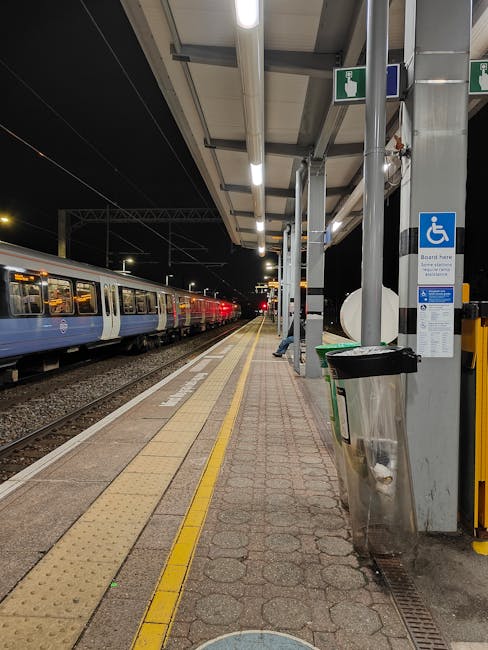
Upminster station and Cranham garden access tips from gardeners
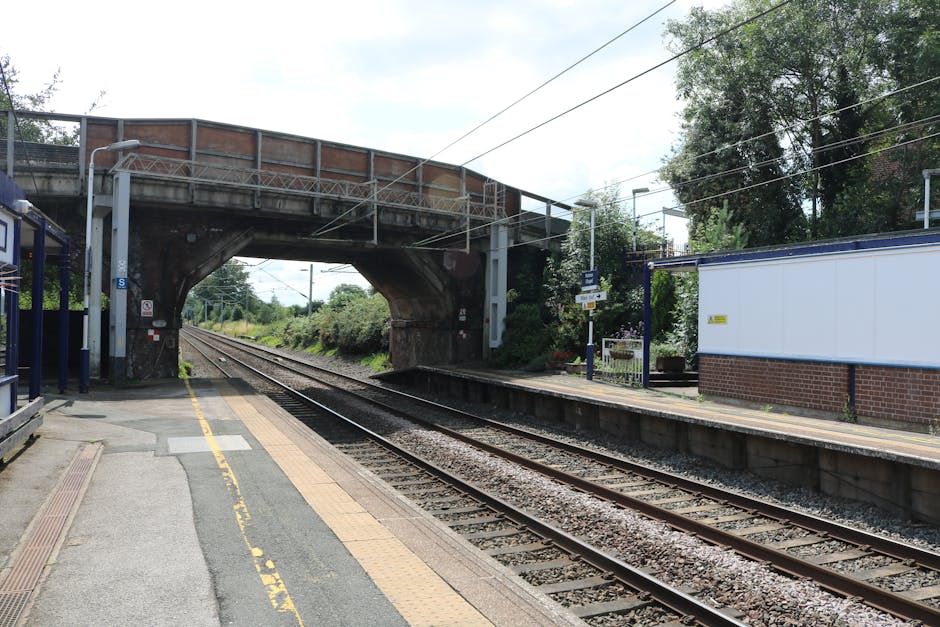
If you're trying to reach a garden in Cranham from Upminster station, the details matter more than people expect. A short walk can become awkward fast if you're carrying tools, arriving after a wet spell, or heading to a property with narrow side access and a few stubborn steps. This guide on Upminster station and Cranham garden access tips from gardeners is built to help you plan that journey properly, avoid common access headaches, and make the whole visit smoother for everyone involved.
We'll cover practical route planning, what gardeners look for before they even ring the bell, how to prepare for tight access, and when to choose a maintenance approach that suits the space rather than fighting it. There are also useful links to related guidance on hedging, ground cover, weather resilience, and garden layout so you can take the next sensible step without guesswork. Truth be told, that saves a lot of backtracking.
Why Upminster station and Cranham garden access tips from gardeners Matters
Garden access sounds simple until you're standing at the gate with bags of compost, a hedge trimmer, or a mower that looked much lighter in the shed. In Cranham, many garden jobs depend on how quickly a gardener can move from the station area to the property, how easy it is to reach the back garden, and whether there's room to work without dragging equipment through the house. That's why practical access tips are not a side issue; they shape the quality, speed, and cost of the work.
The route from Upminster station also matters because timing affects the whole day. A gardener arriving by train may need a clear path, a realistic meeting point, and a sense of whether there's on-street parking, narrow access, or a locked side entrance. If a job includes hedge work, lawn care, or moving bulky materials, small access details can turn a calm visit into a scramble. Nobody wants that. Not the client, not the gardener.
There's another angle too: local knowledge improves decision-making. A garden in Cranham might be exposed to wind, shaded by mature trees, or divided into awkward sections. If you understand the access constraints first, you can choose better services, prepare the right tools, and avoid paying for wasted time. For deeper help with particular garden problems, some readers also find it useful to look at optimising garden health in windy areas and revamping forgotten outdoor spaces.
How Upminster station and Cranham garden access tips from gardeners Works
The basic process is straightforward, but the best results come from planning before anyone arrives. First, the gardener considers the journey from Upminster station to the address. Then they assess how they will enter the site, where tools can be unloaded, and whether they need to protect lawns, paving, decking, or narrow borders while moving around.
In practical terms, access planning usually comes down to four things:
- Arrival logistics: the time you meet, the station exit, and the simplest approach to the property.
- Entry route: front gate, side return, rear alley, shared path, or internal access through the house.
- Workspace limits: whether tools, waste bags, and ladders can be managed safely.
- Site condition: wet ground, narrow paving, slippery steps, overgrown paths, or low light.
Gardeners often think in terms of flow. Can they get in, work efficiently, and get out without damaging the garden or creating a mess? If the answer is yes, the job tends to run better. If the answer is maybe, a tiny issue can become a time sink. That's just how outdoor work goes.
For properties with dense planting or boundary growth, access can be improved by managing the structure of the garden itself. Useful reading includes sophisticated hedge trimming schemes, fast privacy hedge ideas, and vertical gardening ideas for tight spaces. Those topics sound different on the surface, but they all help with access, movement, and practical maintenance.
Key Benefits and Practical Advantages
Good access planning pays off in ways you notice immediately and in ways that show up later. The obvious benefit is convenience. The less obvious benefit is that the work tends to be cleaner, safer, and more accurate because the gardener can focus on the garden rather than manoeuvring around obstacles.
Here's what people usually gain when they get access right:
- Less disruption: fewer awkward journeys through the house and less noise for everyone.
- Lower chance of damage: to paving, lawns, fences, plant pots, and door frames.
- Faster completion: less time carrying equipment means more time doing the actual gardening.
- Better waste handling: clippings and debris can be moved out cleanly and efficiently.
- Safer work: gardeners can position tools and ladders properly instead of improvising.
There's also a client comfort factor. If you know exactly how the gardener will access the space, the appointment feels calmer. No guessing at the gate. No last-minute detours. In our experience, that alone makes people breathe easier.
For gardens with children, pets, or a mix of both, access planning can protect the whole household too. A secure route reduces accidental escapes and keeps tools away from little hands or curious paws. If that sounds familiar, you may also want to read strategies for a dog-proof garden and creating a safe, stimulating garden environment for kids.
Who This Is For and When It Makes Sense
This advice is useful for a wide range of people, not just those booking one-off visits. If you live in Cranham and rely on public transport, if you're coordinating seasonal garden work, or if you manage a property with awkward entry points, this is for you.
It makes particular sense if you:
- are meeting a gardener at or near Upminster station
- have a rear garden with limited side access
- need hedge cutting, lawn care, or regular maintenance
- have a narrow front path, steps, or shared access
- own a property with heavy clay soil, wet patches, or a slope that slows movement
- want a cleaner, faster visit with fewer "where do we put this?" moments
It also matters if your garden is still evolving. A lot of people contact a gardener because the space has become hard to manage, not because they already know exactly what they want. That's perfectly normal. Sometimes the first job is simply getting the garden back to a workable shape. If that sounds like your situation, take a look at beginner tips for creating a green haven and planning inviting seating areas in your garden.
Step-by-Step Guidance
Here's a practical way to handle garden access when you're starting from Upminster station and heading into Cranham.
- Confirm the meeting point. Decide whether the gardener is meeting you at the station, at the property, or at a nearby landmark that is easy to find.
- Share the access picture early. Mention side gates, locked entrances, steep steps, muddy patches, or anything that makes entry slower than average.
- Think about parking and unloading. If tools are being brought by car or van, work out the nearest sensible stopping point before the appointment day.
- Clear the obvious hazards. Move toys, hoses, loose slabs, garden furniture, and low-hanging items that could catch a wheelbarrow or bag.
- Check the weather. A wet morning can turn a narrow path into a slippery route. A windy afternoon can make hedge work less predictable.
- Protect the route. If turf or gravel is delicate, lay temporary boards or mats where needed. It's a small step, but it helps.
- Prepare for waste removal. Decide in advance where cuttings, old compost, or debris should be stacked so they don't block the way.
- Review the garden plan after the visit. Once the job is done, note what helped and what slowed things down. Next time gets easier.
A small real-world example: if a gardener arrives from Upminster station to trim a hedgerow in Cranham, and the only access to the rear garden is through a tight side passage, a quick pre-check can save twenty minutes of wrestling with branches and ladders. That's not dramatic, just practical. And practical wins.
Expert Tips for Better Results
Local gardeners often make the same quiet observations, and they're worth listening to. The garden itself is part of the access plan. If one corner is always waterlogged, that route should not be the default path. If the hedge creates a tunnel effect, light it better or prune it back. If the gate sticks when damp, fix it before a booked visit rather than during one.
Some of the better habits are simple:
- Keep the route to the garden as wide and uncluttered as possible.
- Trim overgrown plants that snag clothing or tool handles.
- Use hard-wearing edging where repeated footfall happens.
- Store bins and compost away from the main access line.
- Leave a dry, level spot for tools and waste bags.
For access-friendly planting, structure matters a lot. A mixed border can be beautiful, but if every plant spills into the path, you'll be forever pushing through it. That is where thoughtful design earns its keep. See also ground cover plants for UK gardens and evergreen climbers for shady corners if you want attractive planting that still stays manageable.
Another very real tip: tell the gardener what the garden looked like last time it was left alone for a few weeks. Was growth fast? Did ivy creep over hard surfaces? Did the lawn become patchy after wet weather? Those details help shape the work plan before the first tool comes out. If ivy is part of the problem, it's worth understanding long-lasting ivy eradication solutions rather than treating it as a one-off tidy-up.
Common Mistakes to Avoid
The biggest mistake is assuming access will "sort itself out" on the day. It rarely does. Outdoor work has enough moving parts already without adding guesswork about gate width, waste piles, or where to store a ladder for ten minutes without blocking the path.
Other common mistakes include:
- Underestimating carry distance: a garden that looks close to the street may still be a long haul with equipment.
- Leaving the access route wet or cluttered: one slippery step can slow everything down.
- Forgetting to mention locked side gates: this one is surprisingly common.
- Assuming the gardener knows the property layout: if they haven't been there before, they don't.
- Over-pruning or over-clearing beforehand: a little help is good; stripping the garden too much can remove the context needed for proper work.
To be fair, these mistakes are easy to make. People are busy. They're thinking about the garden, not the logistics. But a five-minute check can prevent an hour of faffing about. And nobody needs more faffing.
Weather is another trap. If you're planning work in late autumn or through winter, the access route might need extra attention. Wet leaves, frost, and short daylight all change the feel of the job. For seasonal preparation, winter garden protection tips and planning ahead for severe weather are genuinely useful companions to this guide.
Tools, Resources and Recommendations
You do not need fancy equipment to improve garden access, but the right small tools make a big difference. Think practical, not flashy. A folding garden trolley, a decent pair of gloves, sturdy path mats, and a bucket for loose debris can transform a messy arrival into a smooth one.
Useful items and preparations often include:
- Lighting: if the visit starts early or ends near dusk, clear lighting near gates and steps helps a lot.
- Weather protection: simple covers for tools, seats, or drying materials.
- Container storage: a place for prunings, clippings, and hand tools while access is being used.
- Marking tape or temporary markers: helpful where there are hidden edges, low steps, or delicate borders.
- Garden access boards: useful for protecting soft ground during wet conditions.
There's also a design angle to think about. Good access is easier in gardens that already have clear zones: a path zone, a work zone, a seating zone. If you are reshaping the whole space, have a look at container gardening guidance for flexible planting, vertical gardening ideas for smaller areas, and simple orchid care advice if you're also managing more delicate plants indoors or in sheltered spots.
If you need a broader service conversation, the site's gardening services page can help you think through the right type of support for your space, while garden maintenance is useful when the goal is regular upkeep rather than a one-off rescue job.
Law, Compliance, Standards, or Best Practice
For this topic, the main concern is safe working practice rather than complex regulation. Garden access should be planned in a way that reduces risk to people, property, and visiting workers. That means clear routes, sensible lifting, careful use of tools, and a reasonable understanding of hazards such as slippery paving, unstable surfaces, and awkward steps.
In the UK, professional gardeners typically work to common-sense health and safety expectations: they avoid unnecessary strain, keep access routes clear, and take care around sharp tools, ladders, and waste handling. If a job involves trees, fences, or heavier structural work, it becomes even more important to assess the site properly beforehand. For related information, it can help to review health and safety guidance and, where relevant, insurance and safety information.
Accessibility is another important best practice. If a client has mobility issues, if the property has steep or uneven access, or if a route is difficult to navigate with equipment, the job plan should adapt to that reality. That's not overcautious. It's just good work. You may also find the site's accessibility statement and terms and conditions helpful when setting expectations.
When price, schedule, or scope is being discussed, clarity matters. A well-scoped quote should reflect the time needed for access as well as the task itself. If access is unusually tight, the quote may need to account for that. For further reading, see pricing and quotes and payment and security.
Options, Methods, or Comparison Table
If you're deciding how to handle access from Upminster station into a Cranham garden, there are a few common approaches. The right one depends on the garden layout, the size of the job, and how often the space is maintained.
| Approach | Best for | Pros | Trade-offs |
|---|---|---|---|
| Meet at the property | Most regular maintenance jobs | Simplest for the gardener once on site; no extra handover point | Requires clear instructions about the entrance and access route |
| Meet near Upminster station | First-time visits or hard-to-find addresses | Useful if the route is unfamiliar or the property has tricky landmarks | Needs punctuality and a clear agreed meeting point |
| Pre-arranged key or gate access | Busy clients or repeat visits | Efficient when access is secure and reliable | Needs trust, written agreement, and careful handling of keys |
| Internal household access | Back gardens with no side route | Can work fine for small jobs | More disruptive; protects the interior less well if carried out badly |
If the garden itself is the reason access is awkward, you may be better off improving the structure of the space rather than forcing a difficult route every time. That could mean smarter hedging, clearer edges, or stronger maintenance habits. For that kind of work, hedge trimming in Cranham and lawn care support are often part of the answer.
Case Study or Real-World Example
Here's a realistic scenario. A homeowner in Cranham wanted a seasonal tidy-up after months of growth had made the rear garden feel cramped. The gardener travelled in via Upminster station, then walked to the property with hand tools and a small waste kit. The challenge wasn't the work itself; it was access. The side gate opened only halfway because a rose had grown across it, the path was narrow, and the lawn had turned soft after recent rain.
Before the job, the homeowner sent a brief note about the gate, the wet patch, and the fact that the wheelie bin blocked one turn-in point. That one message changed the whole visit. The gardener arrived prepared, used the front route for tools, left a temporary board over the softer section, and trimmed the rose back enough to make future access easier. Nothing dramatic, just thoughtful planning.
By the end, the garden felt lighter and more manageable. The client also noticed something else: future visits would be simpler because the access issues had been identified and improved rather than ignored. That's the kind of outcome people want but don't always know how to ask for.
For a similar refresh mindset, vertical gardening, budget-friendly garden design ideas, and sustainable garden planning can all support a garden that is easier to maintain and easier to reach.
Practical Checklist
Use this before a gardener arrives from Upminster station to work in Cranham.
- Confirm the meeting point and arrival time.
- Describe the main access route in plain language.
- Mention narrow gates, steps, slopes, or locked entrances.
- Clear toys, hoses, bins, and loose furniture from the route.
- Check for wet, icy, or slippery surfaces.
- Make room for tool storage and waste stacking.
- Let the gardener know about pets or children using the space.
- Trim overgrowth that blocks gates or paths.
- Decide where cuttings and debris should go.
- Have a contact number ready in case plans change.
If you want to keep the rest of the garden in better shape between visits, a bit of structure helps. For example, weed control strategies, organic waste composting, and essential gardening tools can make everyday maintenance less of a chore.
Conclusion
Good access is one of those things you only really notice when it goes wrong. When it goes right, the whole visit feels calm, efficient, and far less stressful. That's exactly why Upminster station and Cranham garden access tips from gardeners are worth paying attention to: they help you match the journey, the gate, and the garden to the actual work that needs doing.
Whether you're organising regular maintenance, a seasonal clear-up, or a bigger redesign, the smartest move is usually the simplest one: think through access before the first tool bag crosses the threshold. A few small decisions now can save time, protect the garden, and make the finished result feel much more polished. If you're ready to talk through a project or want help planning access properly, you can start with the contact page.
Get a free quote today and see how much you can save.
And if you do nothing else, at least give yourself a clean path to the back gate. It sounds small, but honestly, it changes everything.
Frequently Asked Questions
How do gardeners usually travel from Upminster station to Cranham jobs?
Most gardeners plan the route in advance and then meet at the property or a clear nearby point if the address is hard to find. The key is making the final approach simple, especially if tools are being carried.
What should I tell a gardener before they arrive?
Share the access route, any locked gates, steep steps, muddy areas, pets, parking issues, and where they should unload. A few direct details save a lot of back-and-forth later.
Is side access really that important for garden work?
Yes, often it is. Side access can make the difference between a quick, tidy job and one that involves carrying tools through the house or walking repeatedly across a delicate lawn.
What if my garden only has access through the house?
That can still work, especially for smaller jobs. The best approach is to tell the gardener in advance so they can bring the right tools and protect floors or carpets where needed.
How can I make a narrow path easier to use?
Clear clutter, trim overhanging plants, and keep the route dry and level where possible. If the path is consistently awkward, a small structural change may be worth it.
Does garden access affect the price?
It can. If a job takes longer because access is tight, or if extra care is needed to protect the route, that may be reflected in the quote. It's best to ask openly rather than guess.
What's the best time of day for a garden visit from Upminster station?
There isn't one perfect answer, but daylight and dry ground usually help. Early starts can be fine, though low light or frost may slow things down a bit.
Can access planning help with hedge cutting and lawn care?
Absolutely. Hedge cutting often needs room for ladders and cuttings, and lawn care is easier when equipment can move cleanly without crossing obstacles. Access is part of the job, not separate from it.
How do I know if my garden is too awkward for regular maintenance?
If every visit involves squeezing through gates, moving things twice, or protecting the same narrow route over and over, the layout probably needs attention. That does not mean it's beyond help.
Should I mention pets and children before a gardener arrives?
Yes, definitely. It helps with route planning, tool placement, and safety. It also reduces the chance of gates being left open at the wrong moment, which nobody wants.
What if the weather changes on the day?
Rain, frost, and wind can all affect access and the work itself. If conditions change, a good gardener will usually adapt the plan rather than forcing the original approach. That's normal in UK garden work.
Where can I learn more about related garden care topics?
Useful next reads include gardening services, garden maintenance, and the site's guidance on about the team if you want a broader sense of how local support is structured.